Why Wineries Are Paying More, Picking Less, and Planting Smarter in a Post-COVID, Health-Conscious World
If you have followed my work; whether through my website or through the wine and neurology storytelling I have ‘poured’ into The Corked Incident, then you already know I am obsessed with one idea: Wine is never just wine. It is chemistry. It is culture. It is what we eat, how we gather, and what we celebrate. And right now, the wine world is having a moment that is easy to misunderstand if you only look at the headlines. “Fake News” as the current-day buzz goes.
On one hand, you will hear people say wine sales are “down.” But, on the other hand, you will see certain wines “fly” off the shelves. They sell out fast (future harvests pre-sold), they spike in price and become the bottle everyone suddenly must have. So, which is it?
The truth is complicated, and it is showing up in the vineyard rows. Wineries are picking up the rates (costs are climbing), and many are not picking up as much wine (buying less fruit, trimming production, tightening contracts, shifting what they plant). That is not because wine stopped mattering. It is because the reasons people buy wine have changed.
THE VINEYARD IS THE FIRST FORECAST
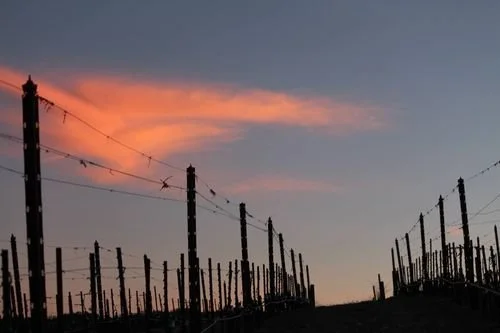
A winery can change a label next week. A tasting room can rewrite a menu tonight. A marketing team can chase a trend by next month. But a vineyard is a long-game bet. When growers decide what to plant or when wineries decide how much fruit to contract, they are predicting where the market will be years from now.
Across the industry, vineyards are increasingly reflecting caution rather than expansion. According to recent industry reporting, grape surpluses and declining consumption trends have led some producers to scale back vineyard contracts or even remove vines, which is a signal that producers expect slower long-term volume growth rather than today's short-term fluctuations.
If wineries are paying more but buying less fruit, it often signals a deeper cultural shift. Consumers are becoming more selective, occasions are fewer, health narratives are louder, food habits are evolving, and social behavior has not fully recovered from COVID. The vineyard becomes the earliest forecast and are not reacting to last quarter, but anticipating the next decade.
WHY COSTS ARE RISING
Farming and labor costs have increased dramatically over the past several years. Climate variability has forced growers to invest in irrigation technology, canopy management, and new grape varieties, all of which raise production costs. At the same time, the price of bottles, shipping, and fuel continues to rise, placing pressure on margins across the supply chain.
According to recent industry news, U.S. wine prices rose significantly in 2025. This is not necessarily because wineries were thriving, but because rising operational costs and shrinking demand forced producers to increase prices simply to stay viable.
Raising prices does not always mean higher profits. For many vineyards and small wineries, price increases are less about luxury positioning and more about survival in a market where volume is declining but expenses continue to climb.
ARE PEOPLE NOT BUYING WINE… OR BUYING WINE DIFFERENTLY?
The question is no longer whether people drink wine; it is how and when they choose to drink it. Many consumers now drink less frequently but spend more per bottle.
According to Gallup survey data, alcohol consumption among Americans has dropped to historic lows, with fewer people reporting regular drinking and more expressing concerns about health impacts.
Wine has shifted from habit to occasion. Some buyers move toward alcohol-free beverages or wellness-focused alternatives, while others reserve wine for meaningful moments such as travel, celebrations, or curated dinners. According to industry reports, younger consumers in particular are redefining drinking culture; prioritizing experience over frequency.
The result is a market where fewer bottles are opened overall, but those that are chosen carry greater intentionality.
FOOD HABITS CHANGED
Food culture has evolved dramatically, and vineyards are quietly adapting. Modern dining trends emphasize lighter meals, global flavors, plant-forward cuisine, and health-conscious eating patterns. These changes influence which grape varieties growers choose to plant.
According to broader wine-industry analysis, producers increasingly seek grapes that produce fresher styles with balanced alcohol levels and strong acidity; wines that pair easily with diverse cuisines rather than heavy traditional dishes. This shift reflects how wine is increasingly seen as part of a holistic lifestyle rather than a standalone luxury item.
Vineyards are no longer planting only for tradition; they are planting for adaptability; to climate, to cuisine, and to evolving consumer preferences.
THE HEALTH CONVERSATION

Public discussions around alcohol and cancer risk have significantly influenced consumer psychology. People are not necessarily anti-wine, but they are more cautious about routine consumption.
According to the American Cancer Society, alcohol use is linked to multiple cancer types and represents one of the leading preventable risk factors for cancer in the United States.
Awareness of these risks is rising quickly. A national survey found that more than half of Americans now believe regular alcohol consumption increases cancer risk; a dramatic increase from previous years.
Research from cancer organizations also indicates that even moderate drinking may contribute to cancer risk, reshaping how consumers perceive wine within broader wellness conversations. As a result, occasional drinking and intentional purchasing have replaced routine consumption for many buyers.
POST-COVID SOCIAL BEHAVIOR
The pandemic reshaped how people gather, and those behavioral shifts continue to influence wine volume today. While early lockdowns increased at-home drinking, long-term trends show fewer spontaneous social outings and a decline in frequent nightlife culture.
According to industry news and consumer surveys, overall alcohol participation rates remain lower than pre-pandemic levels, with many individuals prioritizing smaller gatherings and curated experiences over high-volume social drinking.
Wine has not disappeared, it has simply become more situational. Dinner parties replaced crowded bars. Intentional celebrations replaced routine consumption. The social script changed, and vineyards are feeling the ripple effects years later.
WHY SOME WINES STILL FLY
Despite declining volume, certain wines continue to thrive. Selective consumers reward bottles that offer strong identity, sustainability messaging, and emotional storytelling. Premium wines, especially those aligned with lifestyle branding or travel experiences, continue to perform well even in a softer market.
According to recent industry reporting, higher-priced wines have remained more resilient than lower-priced categories, suggesting that consumers who still engage with wine are prioritizing quality and authenticity. In this environment, brand narrative becomes as important as terroir.
DEFINING VINEYARDS THROUGH GRAPE SELECTION
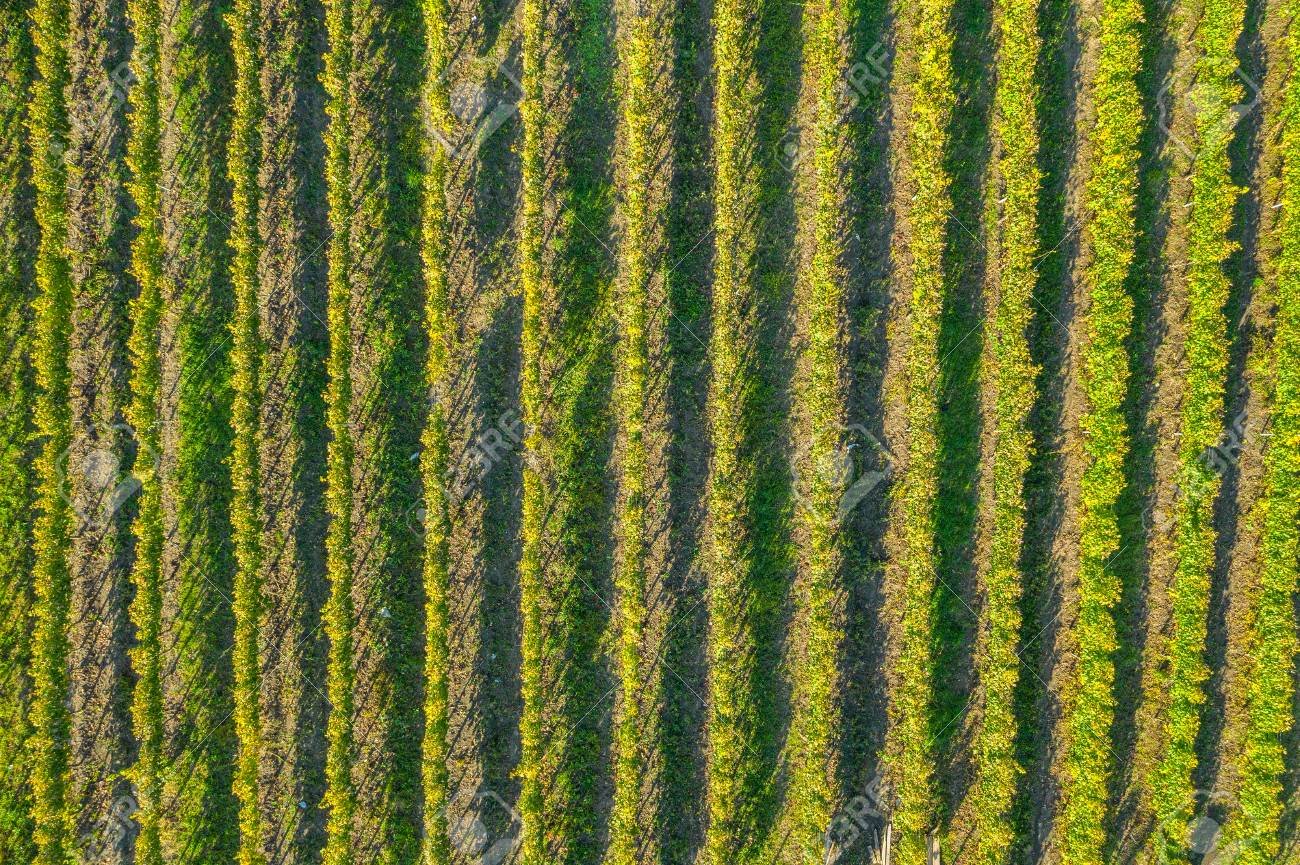
Modern vineyards plant for resilience and flexibility. Climate variability and shifting consumer tastes encourage growers to explore grape varieties that adapt to warmer temperatures, evolving food culture, and changing drinking habits.
Research into sustainable viticulture highlights how technology and predictive analytics are helping vineyards make smarter long-term planting decisions, balancing environmental pressures with economic realities. Strategic planting today reflects where wineries believe culture will be tomorrow and not where it has been historically.
A QUALITY RENAISSANCE
Producing less wine can mean producing better wine. Many wineries now prioritize precision over volume, focusing on vineyard health, smaller yields, and stronger brand positioning. As overall alcohol consumption declines, producers are learning that long-term success may depend on authenticity and craftsmanship rather than mass production. The industry is quietly shifting from expansion to refinement; a quality renaissance shaped by necessity.
CLOSING THOUGHTS
Wine is not dying; it is evolving. Health awareness, food culture, and post-pandemic social shifts have reshaped the industry. Vineyards respond by planting smarter, producing intentionally, and telling stronger stories.
According to recent consumption data and industry reporting, fewer people may be drinking regularly, but those who do are drinking with purpose.
The future of wine may belong not to those who produce the most, but to those who understand why people drink in the first place.